Highest paying surgical tech specialties: orthopedic, cardiovascular, neurosurgery
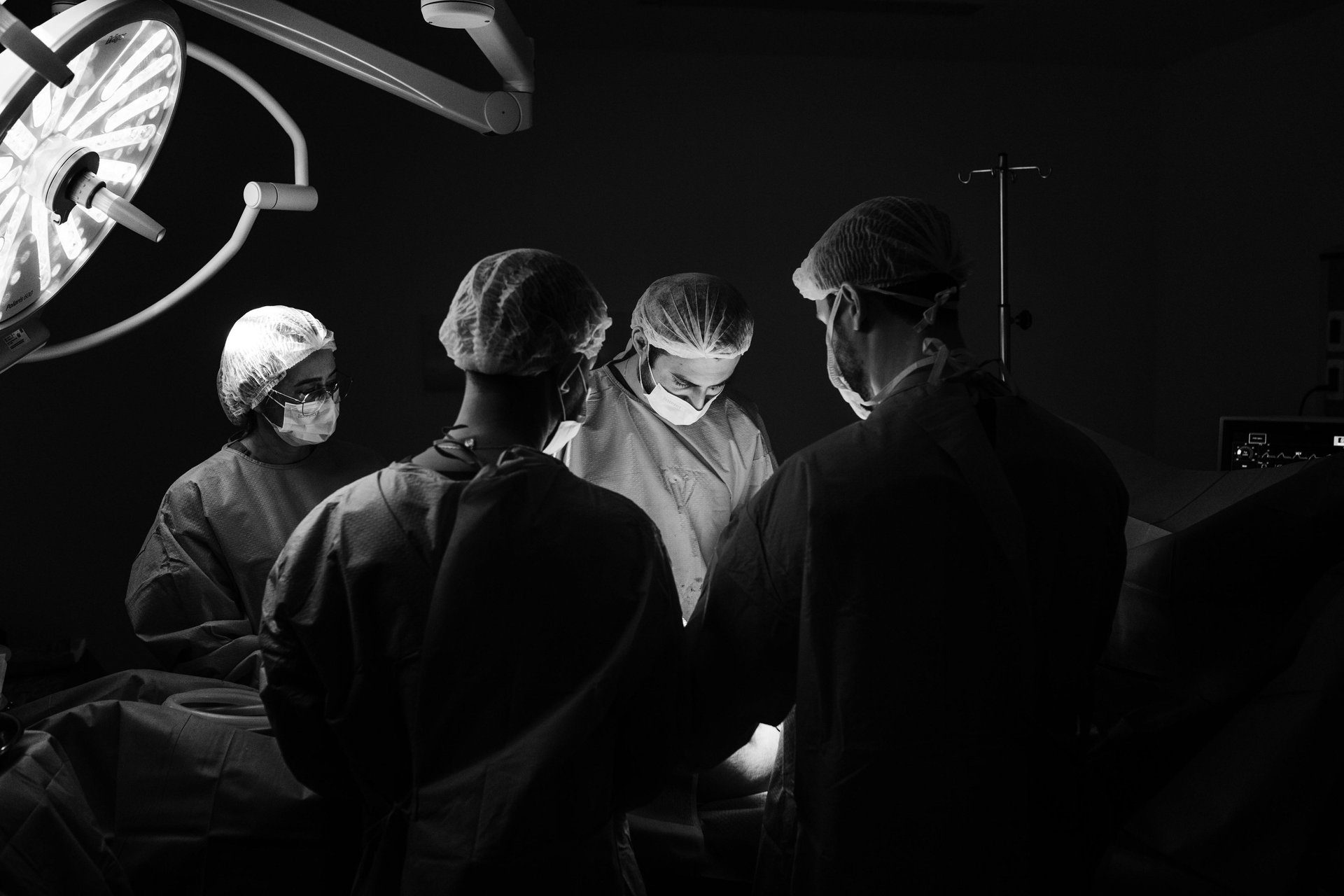
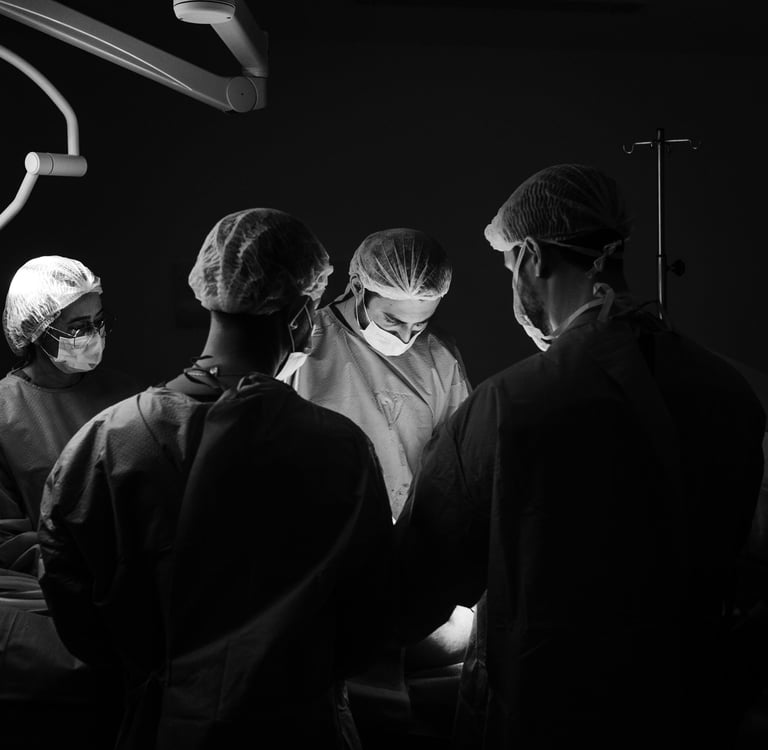
Orthopedic, cardiovascular, and neurosurgery are consistently among the highest-paying surgical technologist specialties due to their complexity, technical demands, and high-stakes environments. Orthopedic cases often involve advanced instrumentation, implants, and power equipment, requiring precision and strong anatomical knowledge. Cardiovascular (CVOR) procedures demand an elite skill set, including familiarity with life-saving equipment, grafts, and strict sterile technique in time-sensitive situations. Neurosurgery requires meticulous attention to detail, delicate instrumentation, and a deep understanding of neuroanatomy, as even minor errors can have major consequences. Because these specialties involve longer procedures, specialized instruments, and higher levels of responsibility, employers and travel agencies typically offer higher compensation to experienced techs in these fields.


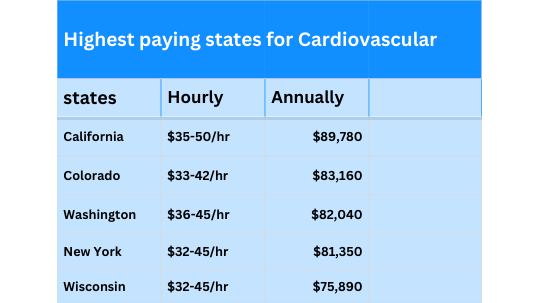
1.Cardiovascular
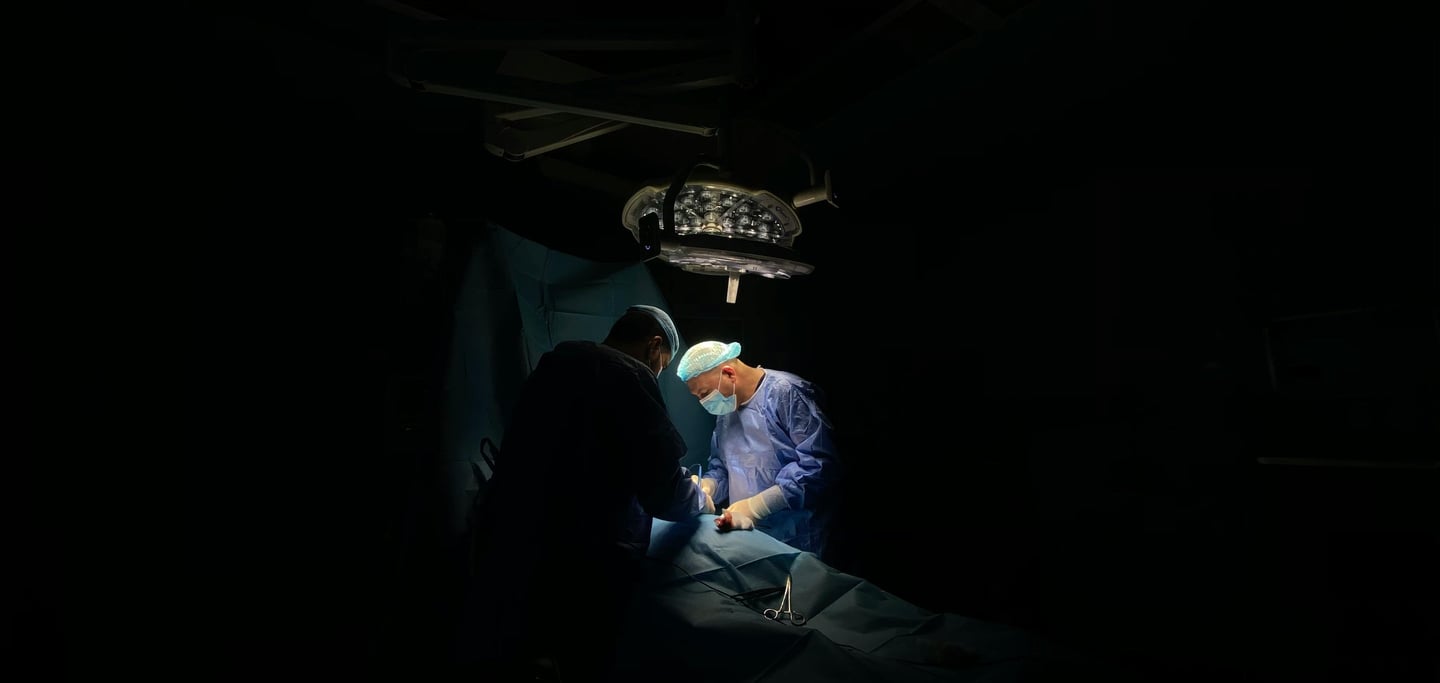
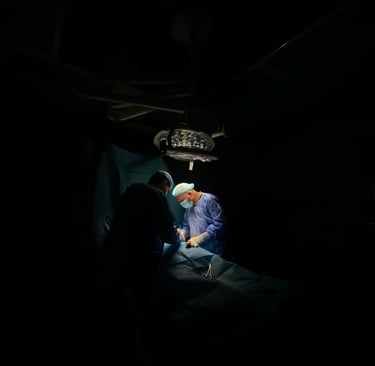
Orthopedic surgeries are among the highest-paying specialties for surgical technologists because they are equipment-intensive, physically demanding, and highly technical. These procedures often involve fracture repairs, joint reconstructions, spinal instrumentation, and total joint replacements that require precise handling of implants, power tools, reamers, saws, and complex tray setups. Surgical techs in ortho must understand biomechanics, implant systems, and step-by-step procedural flow to anticipate the surgeon’s needs efficiently. The combination of advanced instrumentation and fast-paced case turnover increases the value of experienced orthopedic techs in both hospital and travel settings.
Orthopedic cases are also high revenue generators for hospitals, especially total hip and knee replacements, trauma surgeries, and spinal fusions. Because these procedures involve costly implants and specialized vendor coordination, facilities prioritize skilled techs who can reduce errors, prevent contamination, and keep cases running smoothly. The physical intensity of holding limbs, managing traction, and working long cases adds another layer of demand, which contributes to higher pay. As a result, orthopedic specialization often commands premium hourly rates, especially in trauma centers and travel contracts where efficiency and confidence in the room directly impact patient outcomes and operating room profitability.
2.Orthopedic
Cardiovascular surgery (CVOR) is one of the highest-paying specialties for surgical technologists because it involves life-sustaining procedures where precision and speed are non-negotiable. These cases include coronary artery bypass grafts (CABG), valve replacements, aortic repairs, and other open-heart procedures that require advanced knowledge of anatomy, graft materials, suture types, cannulation techniques, and strict sterile control. CVOR techs must be comfortable handling delicate instruments, managing large case counts of sutures and hemostatic agents, and anticipating critical moments such as cross-clamp time and coming off bypass. The margin for error is extremely small, which increases the value of experienced, calm, and highly skilled techs.
Hospitals compensate CVOR techs at higher rates because these procedures generate significant revenue and require a specialized team that cannot be easily replaced. The learning curve is steep, orientation periods are longer, and not every tech can adapt to the intensity of cardiac cases. Travel agencies especially pay premium contracts for CVOR experience due to national shortages and the limited pool of techs who are truly proficient. If you’re building your CST brand around high-income specialties, CVOR is consistently one of the most marketable and financially rewarding paths. here...
3.Neurosurgery
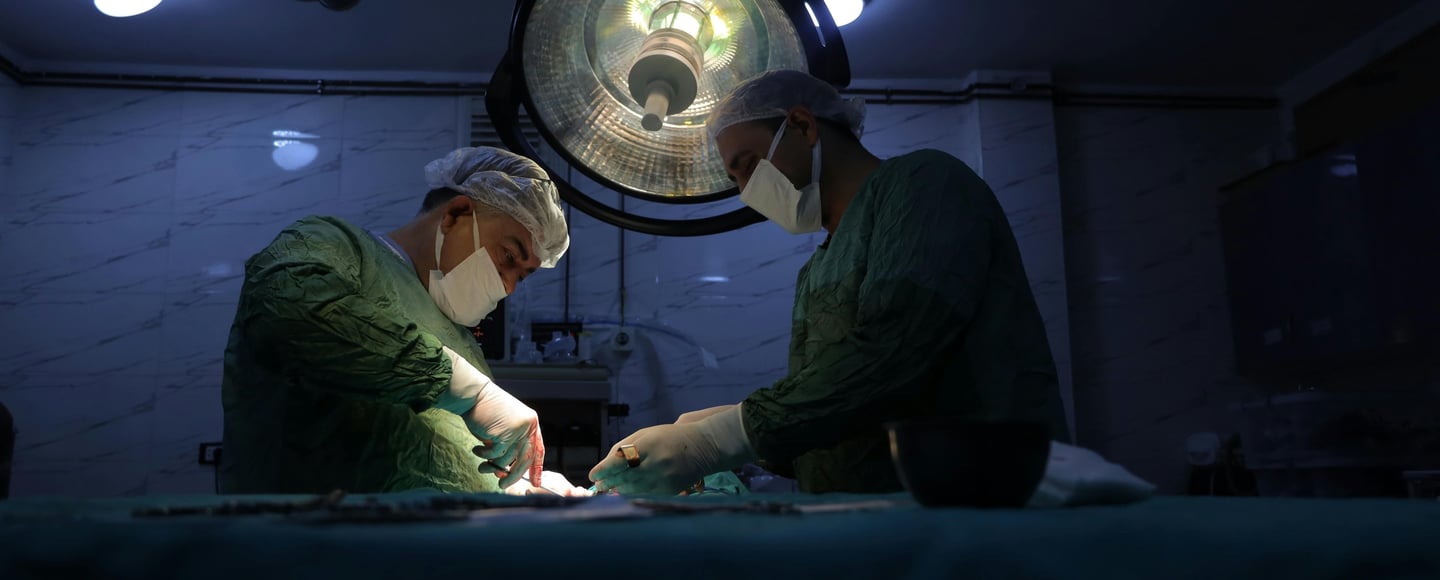
Neurosurgery is one of the most technically demanding and highest-paying specialties for surgical technologists because it involves operating on the brain, spinal cord, and central nervous system—areas where precision is critical and complications can be life-altering. Cases such as craniotomies, spinal fusions, tumor resections, and aneurysm repairs require meticulous sterile technique, delicate instrumentation, and a deep understanding of neuroanatomy. Neurosurgical techs must be highly organized, detail-oriented, and able to anticipate surgeon preferences for micro-instruments, specialized retractors, drills, and navigation systems. Even minor contamination or delays can have serious consequences, which increases the value of experienced neuro techs.
The specialty also commands higher pay due to its complexity, longer case durations, and limited pool of qualified professionals. Hospitals invest heavily in neurosurgical equipment—microscopes, navigation systems, and high-cost implants—so they prioritize skilled techs who can manage trays efficiently and reduce costly errors. Travel contracts in neurosurgery often offer premium rates because not every surgical tech is comfortable working in high-stakes, prolonged cases that demand mental endurance and precision. For CSTs looking to maximize income and elevate their skill set, neurosurgery represents both a financial opportunity and a professional challenge.